020 3744 3778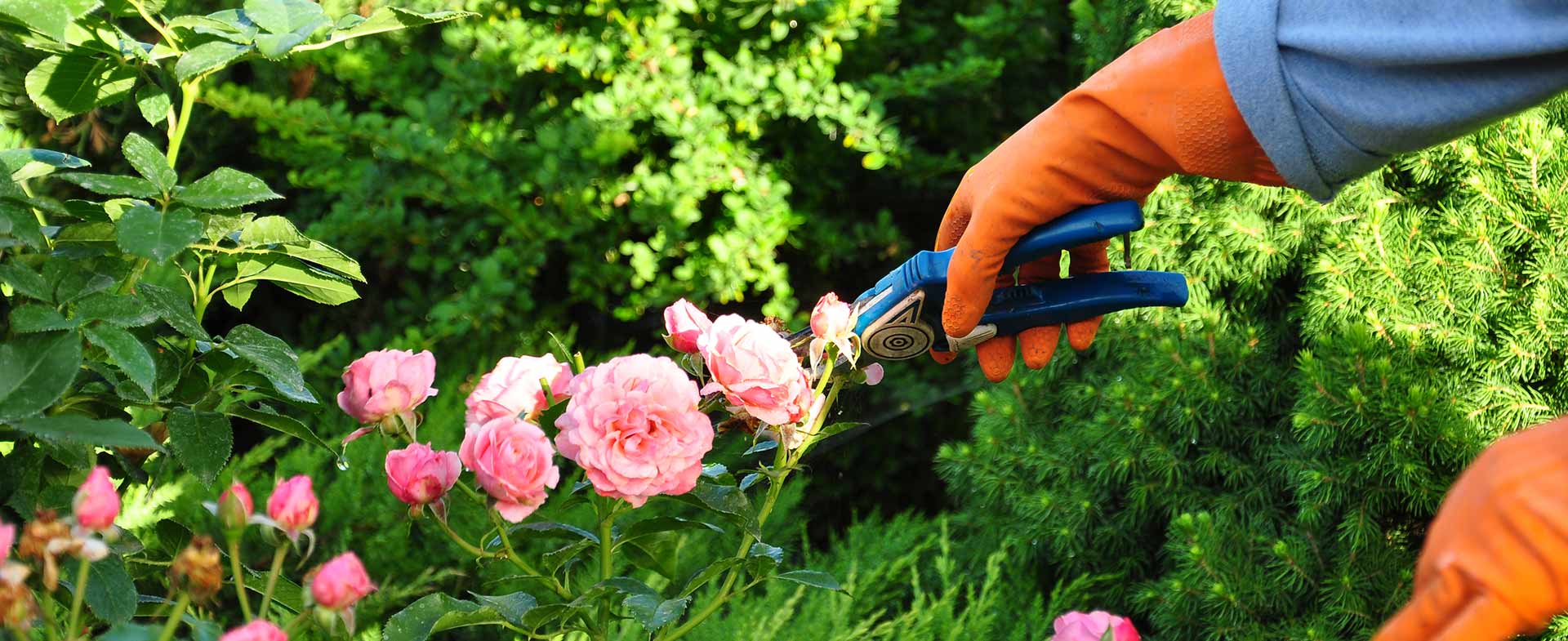
Captivate Your Senses with a Herb Garden
Posted on 26/09/2025
Captivate Your Senses with a Herb Garden: An Enchanting Journey
If you're seeking to transform your home or outdoor space into a sanctuary that invigorates all your senses, look no further than the magical world of growing herbs. A herb garden doesn't just add vibrant colors and stunning textures to your environment--it offers a symphony of fragrances, flavors, and visual delight that will refresh and inspire you daily. Captivate your senses with a herb garden and elevate your culinary, health, and lifestyle experiences to a whole new level.
Why Start Your Own Herb Paradise?
Herb gardens are more than just a feast for the eyes. They offer a holistic sensory adventure that combines aroma, taste, and touch with the pleasures of gardening itself. Here are just a few reasons to cultivate a sensory herb garden:
- Visual Delight: Admire the diverse hues and textures, from vibrant green basil to silvery sage and the soft purple blossoms of lavender.
- Aromatic Escape: Breathe in the intoxicating scents of mint, rosemary, and thyme, each one evoking memories, moods, and moments of relaxation.
- Taste Adventure: Elevate your meals with fresh, homegrown herbs. The flavor and nutrition packed into these garden jewels can't be matched by store-bought varieties.
- Therapeutic Benefits: Gardening is known to lower stress, improve mood, and provide gentle exercise--caring for herbs enhances these benefits through direct contact with healing plants.
- Eco-Friendly Living: Grow your own herbs and reduce your carbon footprint. Fresh herbs grown at home minimize packaging waste and reduce the need for preservatives and additives.
Choosing the Best Herbs for a Sensory Garden
When building your herb garden, consider selecting varieties that not only serve culinary purposes but also stimulate all five senses. Here are some popular and lesser-known options that will make your herb plot a sensory retreat:
- Basil: Perfect for salads, sauces, and a lively aroma.
- Mint: Provides a refreshing scent and flavor--ideal for teas and desserts.
- Lavender: Iconic for its soothing purple blossoms, calming fragrance, and use in aromatherapy.
- Rosemary: Woody stems offer a robust aroma and delightful texture.
- Thyme: Versatile in the kitchen and pleasingly earthy to the nose.
- Lemon Balm: Bright, citrusy scent that's amazing for teas and garnishes.
- Sage: Silky, grayish leaves and an earthy, savory flavor for stuffing and meats.
- Chives: Slender, grassy leaves add mild onion flavor and a pop of green.
- Coriander/Cilantro: Distinctive aroma and zesty, pungent taste popular in global cuisines.
- Oregano: Pungent, spicy notes liven up Italian and Mediterranean recipes.
Designing a Sensory Herb Garden
Creating your own sensory herb garden is easier than you might think. With just a bit of planning, you can maximize the enjoyment and benefits of your mini paradise, no matter how much space you have. Whether you're working with a sprawling backyard, a balcony, or even windowsill planters, the following tips will help you captivate your senses with herbs:
1. Visual Appeal and Texture
- Mix herbs with diverse leaf shapes and colors for a more captivating display. Group bushy parsley with spiky rosemary and soft sage.
- Add flowering herbs like chamomile and lavender to introduce pops of color and delicate fragrance.
- Plant taller herbs toward the back of garden beds to create layers and visual depth.
2. Fragrance and Scent Pathways
- Use aromatic herbs like mint, basil, and lemon balm along walkways or near seating areas. As you brush past, your garden will come alive with scent.
- Try hanging planters or vertical gardens near entryways to greet visitors with soothing aromas.
3. Touch and Texture
- Choose herbs with varied leaf textures--wooly lamb's ear, leathery bay, or the velvety feel of sage.
- Encourage children to interact gently with the plants for a fun, hands-on sensory experience.
4. Taste and Culinary Exploration
- Plant your favorite flavor-makers close to the kitchen door for easy access when cooking.
- Label herbs clearly so family members can taste and learn about each plant.
- Try new recipes based on what's thriving in your garden each season.
5. Sound and Wildlife
- Some herbs, particularly flowering varieties like dill or chamomile, attract pollinators such as bees and butterflies--the gentle hum adds a soothing soundtrack to your garden ambiance.
- Rustling leaves on a breezy day add another soft, natural dimension to your sensory experience.
How to Start Your Herb Garden at Home
Captivate your senses with a herb garden by following these step-by-step guidelines--perfect for beginners or seasoned gardeners alike!
Step 1: Choose the Right Spot
- Sunlight: Most herbs thrive in 6-8 hours of direct sunlight each day. Pick a spot that gets plenty of light.
- Soil: Herbs prefer well-drained soil. You can amend garden beds with compost or use high-quality potting mix for containers.
- Accessibility: Grow herbs within easy reach of your kitchen for quick snipping and maximum use.
Step 2: Selecting Your Herbs
- Start with a mix of annuals and perennials to ensure both variety and continual harvest.
- Pay attention to your family's favorite cuisines--if you love Italian food, plant basil, oregano, parsley, and thyme.
- Experiment with unique varieties such as pineapple sage or chocolate mint to excite your palate and curiosity.
Step 3: Planting Your Herbs
- Seeds vs. Starts: Some herbs (like basil and dill) grow easily from seed. Others (such as rosemary and thyme) are best started from small plants or cuttings.
- Follow spacing guidelines on seed packets or plant tags to avoid overcrowding.
- Water thoroughly after planting, but avoid soggy soil.
Step 4: Maintenance and Care
- Watering: Herbs like consistent moisture but dislike oversaturation; water when topsoil feels dry.
- Pruning: Regularly harvest or pinch herbs to encourage bushiness and prevent them from going to flower too soon.
- Fertilizing: Feed sparingly--herbs generally prefer leaner soils, which promote greater flavor intensity.
- Pest Control: Companion planting (for example, basil with tomatoes) can reduce pests, and many herbs naturally deter insects.
Step 5: Harvesting and Storing
- Harvest early in the morning for peak aroma and flavor.
- Snip leaves with clean shears, leaving enough growth for continued development.
- Dry or freeze surplus herbs for year-round enjoyment.
Creative Ways to Enjoy Your Sensory Herb Garden
Now that your garden is flourishing, embrace a wide variety of uses and share the enchantment with friends and family:
- Herb-Infused Cocktails and Teas: Fresh mint in mojitos, basil in lemonade, or calming herbal teas are just the beginning.
- DIY Herb Butter and Oils: Blend chopped herbs into butter or olive oil for flavor-packed spreads and salad dressings.
- Home Decor: Small bouquets or potted herbs inside your home bring fragrance and beauty indoors.
- Bath and Body Care: Lavender and chamomile are perfect for homemade bath salts, sachets, or lotions.
- Natural Remedies: Herbal teas or balms offer gentle support for relaxation, digestion, or minor first aid.
- Culinary Delights: Try herb-rich pesto, chimichurri, herbed breads, or dressings for a burst of flavor in every meal.
Community and Educational Benefits
Sharing your love of herbs can captivate others' senses as well! Invite neighbors, friends, or children to enjoy your sensory paradise:
- Herb Garden Workshops: Host planting or cooking demonstrations to connect with others.
- Edible Education: Teach children about plant lifecycles and healthy eating with hands-on herb projects.
- Garden Exchanges: Swap seeds or cuttings with other gardeners to expand your collection and foster community spirit.
Troubleshooting and Success Tips for a Thriving Herb Garden
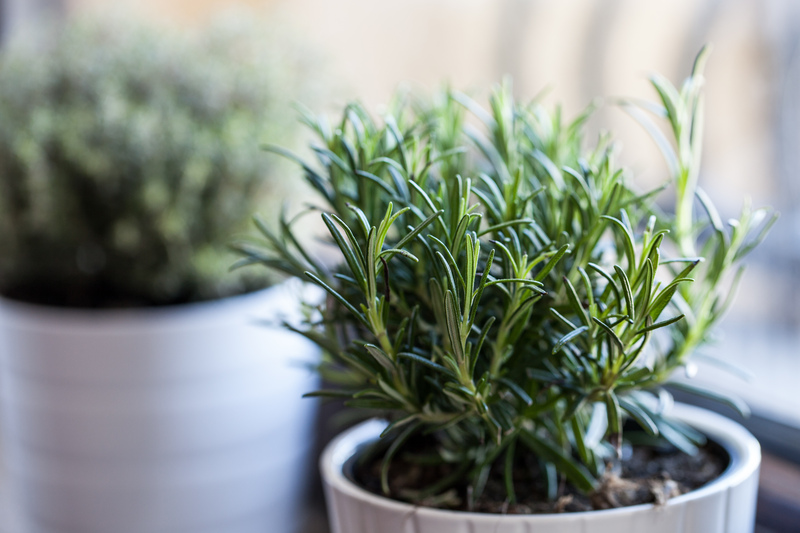
- Container Gardening: If space is limited, herbs grow beautifully in pots or vertical planters. Just ensure proper drainage.
- Companion Planting: Some herbs, like basil and parsley, enhance the growth and flavor of neighboring vegetables.
- Rotation: Rotate annual herbs (such as cilantro and dill) each year to keep soil healthy and reduce pests.
- Pest Solutions: Use natural remedies, like neem oil or garlic spray, to safely deter unwanted insects.
- Regular Harvest: The more you pick, the more your herbs will flourish--don't be shy about snipping!
Conclusion: Unlock the Magic--Captivate Your Senses with a Herb Garden
From the moment you step into a herb garden, your senses are awakened and your spirit is renewed. With so many herb garden ideas and possibilities for sensory enjoyment, every gardener--novice or expert--can find inspiration. Begin with a few favorite herbs and let your curiosity blossom into a lush, aromatic retreat. You'll not only elevate your cooking and well-being, but also nurture a living, growing tapestry that connects you more deeply with the natural world.
Let your senses be captivated by the enchanting world of herbs. Plant, nurture, taste, and savor every beautiful moment in your own sensory herb haven!