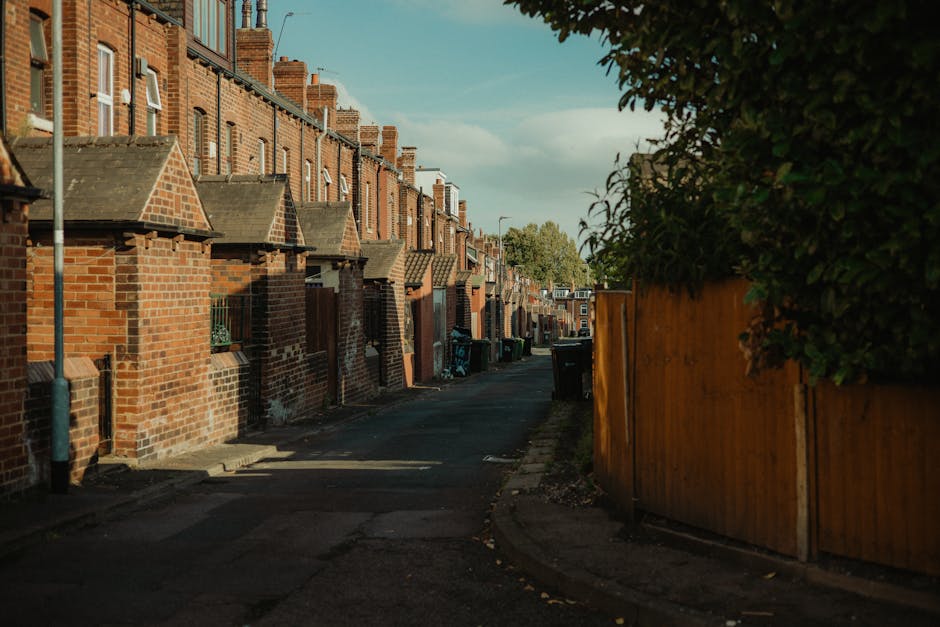
Church Lane garden clearance services for terrace homes NW9: a practical guide for tight urban gardens
If you live in a terrace home off Church Lane, you probably know the feeling: the garden starts with good intentions, then one wet season, a few busy months, and a couple of forgotten plant pots later, it turns into a cramped jumble of cuttings, weeds, broken bits, and things you meant to deal with "next weekend". That is exactly where Church Lane garden clearance services for terrace homes NW9 can make a real difference. Not just by making the space look tidy again, but by creating a garden that is usable, safer to move through, and easier to keep on top of after the clearance is done.
Terrace gardens are often narrow, shared on one or both sides, and awkward to access. That changes how clearance needs to be handled. You want efficient removal, careful handling of boundaries, and a finish that feels clean rather than half-done. In this guide, we will look at what the service includes, why it matters, how it works, and how to judge what a proper job should look like. A small garden can still become a very good garden. Sometimes it just needs a reset.
Why Church Lane garden clearance services for terrace homes NW9 Matters
Clearance is not just about removing visible mess. In a terrace home, garden clutter builds up faster than people expect because the space is compact, the access is usually restricted, and debris has nowhere to hide. An overgrown corner, an old compost heap, or a pile of branches near the fence line can make the whole garden feel smaller and more enclosed. That is especially noticeable in NW9, where outdoor space is already at a premium.
There is also the practical side. Overgrowth can block paths, trap damp, attract pests, and make patio areas slippery. If you are trying to keep the space family-friendly, or you just want to sit outside with a cup of tea without staring at a heap of broken trellis, clearance becomes the first sensible step. It is the reset button before any real maintenance, planting, or landscaping work can happen. For many terrace homes, it is the difference between "we should sort this one day" and "right, now we can actually use it."
Another reason it matters is neighbourly. Terrace gardens sit close together. If brambles are creeping over shared boundaries or tree growth is crowding a fence, the issue can become more than cosmetic. A tidy, well-managed garden tends to reduce friction. Simple truth.
If the space needs more than a tidy-up, a proper garden clearance often sits alongside broader garden maintenance support in Kingsbury NW9, especially when ongoing care will stop the problem returning so quickly.
How Church Lane garden clearance services for terrace homes NW9 Works
A good clearance service usually starts with a walk-through of the garden so the job can be judged properly. That sounds obvious, but it matters. A narrow terrace plot might look manageable from the back door and then reveal a very different story once you get to the far end: dense weed growth, hidden waste, damaged edging, soil build-up, or a tree stump that has quietly been there for years. The site check helps decide what needs to be cut, lifted, bagged, loaded, or treated separately.
From there, the team will usually break the job into stages. First comes removal of loose waste and bulky material. Then overgrowth is cut back, rooted weeds are addressed, and stubborn items like ivy, old canes, broken pots, and dead planting are cleared. After that, surfaces are swept or blown down, and green waste is typically sorted so it can be taken away responsibly. In many cases, the job finishes with a cleaner visual line along fences, paths, and beds, which immediately makes the garden feel more open.
For terrace homes, access is often the main complication. Waste may need to be carried through the house or a side passage. That means the team has to work neatly, protect flooring where needed, and keep the route as controlled as possible. It is not glamorous, but this is the part people notice most if it is done badly. Careful clearance looks effortless because the preparation was not.
Where clearance reveals bigger issues like stubborn hedging, worn surfaces, or boundary problems, it can be sensible to follow up with services such as hedge trimming in Kingsbury NW9 or even fencing support in Kingsbury NW9 if the perimeter needs repairing or improving.
Key Benefits and Practical Advantages
The most obvious benefit is that the garden becomes usable again. You can step outside without navigating a maze of old plant material, and that alone changes how the property feels. But the advantages go further than first impressions.
- Better space use: A clear terrace garden feels bigger, even when the square footage has not changed at all.
- Safer movement: Loose branches, hidden trip hazards, and slippery growth get removed before someone catches a foot.
- Healthier follow-on work: Once the clutter is gone, mowing, pruning, planting, and repairs become easier to plan and carry out.
- Improved drainage and drying: Dense rubbish and thick weed mats can trap water and make surfaces stay wet longer.
- Better light: Cutting back overgrowth often lets more daylight into the garden and, in some cases, into the house too.
There is also a mental benefit that people do not always mention first. A cluttered garden can quietly drain your energy. You glance out at it, feel a bit fed up, and close the curtain. Once the area is cleared, that reaction changes. You start imagining seating, herbs, container displays, or a simple lawn strip instead of a problem. That shift matters.
For homes that want a more polished finish after clearance, it can be useful to consider follow-up work such as patio cleaning in Kingsbury NW9 or even a refresh through decking services in Kingsbury NW9 if the outdoor layout includes hard landscaping that is looking tired.
Who This Is For and When It Makes Sense
This kind of service suits a lot of people, not just homeowners with a jungle at the bottom of the garden. Terrace properties often pick up clutter for ordinary reasons: busy work schedules, weather, inherited garden layouts, a period of renting, or simply not knowing where to start. If the garden has become too much to tackle on a Saturday afternoon, that is a strong sign it is time for clearance.
It also makes sense if you are preparing to sell, let, or renovate the property. A clean and orderly outdoor area can improve presentation straight away. Buyers and tenants notice usable outdoor space, even if it is modest. They definitely notice the opposite too.
Clearance can also be the right move after stormy weather, after a long winter, or when invasive growth takes over faster than expected. If ivy has climbed walls, weeds have spread under paving, or shrubs have gone woody and wild, clearing first is usually better than trying to garden around the problem.
If you are still deciding what level of work you need, a broader gardening services option in Kingsbury NW9 can be helpful because it allows the job to be approached as a full clean-up and recovery rather than just a one-off removal.
Step-by-Step Guidance
Here is a practical way to think about the clearance process. It is not complicated, but doing it in the right order saves time and avoids mess.
- Survey the space carefully. Identify overgrowth, waste, broken materials, and anything that may need special handling.
- Separate the job into zones. For example: rear boundary, patio area, planting beds, shed corner, side return.
- Remove loose waste first. Old bags, broken pots, fallen branches, and surface debris come out early so the rest of the work is easier.
- Cut back dense growth. Trim or reduce overgrown plants, self-seeded trees, and invasive climbers before they tangle further.
- Deal with rooted weeds and stubborn patches. These often need more than a quick surface pull. If you skip this, they come back fast. Very fast.
- Clear and sweep hard surfaces. Paths, patios, steps, and narrow side passages should be left clear and safe to walk on.
- Remove green waste responsibly. Bag or load clippings, branches, and organic debris so the garden is not left with a second mess.
- Inspect boundaries and surfaces after the tidy-up. Once the clutter is gone, you can see what actually needs repair or ongoing care.
A small but useful tip: if you have a long narrow terrace garden, work from the far end back towards the access point. Otherwise, you end up crossing the same cleared ground with more debris again and again. Nobody enjoys that. Not even the most enthusiastic gardener before lunch.
Expert Tips for Better Results
First, be realistic about what a clearance can achieve in one visit. A severe overgrown plot may need a staged approach. If someone promises to transform a thickly neglected garden into a finished showpiece in two hours, pause and think. Good work takes proper judgement.
Second, keep the long-term shape of the garden in mind. It is tempting to cut everything hard just because it looks messy, but in terrace gardens the border structure matters. You usually want to preserve light, privacy, and some soft planting if it is healthy. A bare, stripped garden can feel harsh, especially when overlooked by neighbouring windows.
Third, ask for the aftermath to be thought through. Once clearance is done, what next? Lawn recovery, new planting, better edging, or a simpler layout may be the real answer. If the garden is still exposed to wind or suffers from awkward shade, the next step may involve practical planning rather than just more removal. Some homes benefit from a low-maintenance design shift after the clean-up, which is where landscaping support in Kingsbury NW9 can help shape the space into something more manageable.
Fourth, choose a time when access will be easiest. If bins, parked cars, or school-run traffic make the back route difficult, the whole process gets slower. A slightly awkward detail, yes, but it matters. It really does.
Expert summary: In terrace gardens, the best clearance jobs are not just about removal. They create clearer boundaries, safer access, and a simple structure that makes future maintenance much easier.
Common Mistakes to Avoid
One common mistake is treating the job like a quick tidy rather than a proper reset. That usually means surface waste gets removed, but the roots, ivy, bramble runners, and hidden debris stay behind. A week later, the space looks messy again. This is one of those jobs where unfinished work shows quickly.
Another mistake is ignoring the boundary lines. In terrace homes, fences, walls, and side passages are often very close to the garden itself. If overgrowth is left to lean on those structures, it can cause damage or make maintenance more difficult later. Small corners matter more than people think.
A third issue is poor waste planning. If no one has thought about how clippings, branches, and old materials will be removed, the garden can end up looking half-cleared and oddly stalled. Not ideal.
And then there is the classic one: cutting too much too quickly. Heavy pruning and clearance are not the same as demolition. Some plants recover well, some do not. If you are uncertain, especially with mature shrubs or trees, it is better to use an approach that protects the health of the garden rather than flattening it.
Where the work overlaps with taller growth, a careful assessment may point towards tree surgery in Kingsbury NW9 rather than simple cutting, because larger woody growth needs a more specialist eye.
Tools, Resources and Recommendations
For a proper clearance, the right tools make a huge difference. You do not need a warehouse full of equipment, but you do need the basics to be in good order. In practical terms, that usually means sturdy cutting tools, digging tools, collection bags or bins, protective gloves, and gear for sweeping or loading waste. For tougher areas, longer-handled tools are useful because terrace gardens often have awkward reach.
One of the best resources, honestly, is a simple plan. Before anyone starts, note what needs to go, what should be kept, and what needs follow-up care. That keeps the job from drifting. It also helps you avoid that familiar "we cleared it, but now what?" feeling.
If you like to read around the subject after the clearance, some useful topic areas on this site include practical maintenance and small-space ideas. For example, vertical gardening ideas for compact spaces can be a smart next step once the clutter is gone, while container gardening inspiration can suit terrace gardens where ground space is limited.
For those looking to keep the garden easy to manage over time, regular support from lawn care in Kingsbury NW9 or even scheduled lawn mowing in Kingsbury NW9 can help stop the space slipping back into overgrowth.
Law, Compliance, Standards, or Best Practice
In the UK, garden clearance is not usually a heavily regulated activity in the way some trades are, but there are still sensible standards to follow. Waste should be handled responsibly, and anything removed from a property should be sorted and disposed of in line with accepted waste practice. If a service provider is moving a significant volume of green waste or mixed debris, they should be clear about how it will be transported and dealt with. That is basic professionalism.
There is also the issue of shared boundaries. Terrace homes can involve close neighbours, fences, walls, and access routes that need to be respected. It is best practice to avoid overstepping into someone else's side of the garden, damaging boundary structures, or creating unnecessary disturbance. A careful team will work with that in mind.
If tree work, large branch removal, or anything structurally risky is involved, it is wise to treat that as a separate consideration rather than lumping everything into general clearance. Safety matters. So does keeping the work proportionate. If there is any uncertainty around larger growth, a more specialist service is usually the right call.
For terrace homes that also want to improve the appearance and privacy of the garden after clearance, it can make sense to plan the next phase through services such as hedge trimming in Kingsbury NW9 or privacy-focused planting ideas from privacy hedge guidance.
Options, Methods, or Comparison Table
Not every garden needs the same type of clearance. Some plots need a light tidy. Others need a deep reset. Here is a simple comparison to help you judge the right approach.
| Method | Best for | Typical outcome | Watch out for |
|---|---|---|---|
| Light clearance | Recently neglected gardens, small amounts of debris | Quickly restores order and access | May not solve deep-rooted weed or ivy problems |
| Full clearance | Overgrown terrace gardens, unused plots, cluttered boundary areas | Strips out waste and growth for a clean reset | May need follow-up maintenance to keep it under control |
| Clearance plus redesign | Homeowners wanting a long-term change | Creates a simpler, easier garden layout | Takes more planning and usually a phased approach |
| Clearance plus maintenance | Busy households that need regular support | Keeps the garden neat after the initial tidy-up | Works best when scheduled consistently |
In many terrace homes, the smartest route is not the biggest one. A targeted clearance followed by maintenance can sometimes outperform a dramatic one-off overhaul, because the garden stays manageable afterwards. That is the bit people often forget.
Case Study or Real-World Example
Imagine a standard terrace garden on Church Lane: a narrow lawn strip, two overgrown borders, a patio with weeds between the slabs, and a rear corner filled with old pots, broken canes, and a dead climber wrapped around a fence panel. Nothing unusual, just the sort of garden that has quietly slid out of control over time.
The first stage would be a full clear-out of loose waste and any obvious hazards. Then the border growth would be cut back enough to reveal the real shape of the space again. The patio would be swept, weeded, and cleaned down. Once the clutter is gone, the owner would suddenly be able to see whether the garden wants to become a seating area, a small play area, a simple lawn, or a mix of all three.
What changes most in a job like that is not just the appearance. It is the feeling of the space. People often say the garden suddenly seems calmer, even on a grey afternoon. The air feels different when you stand at the back door and can actually see the end of the garden again. Bit dramatic, maybe. But true.
After the clearance, the next sensible move might be ongoing garden maintenance in Kingsbury NW9, because once a terrace garden is clean and visible, keeping it that way becomes much easier than starting from scratch again later.
Practical Checklist
Use this checklist before, during, or after a clearance appointment. It keeps the job focused and helps you avoid missing the small things that matter.
- Identify access routes: back gate, side passage, shared path, internal route if needed.
- List what stays and what goes: pots, furniture, planters, tools, and healthy plants.
- Check for boundary issues: leaning growth, damaged panels, loose edging, or shared fence concerns.
- Separate organic and non-organic waste: green cuttings, soil, broken plastic, and general rubbish.
- Look for hidden hazards: glass, sharp metal, rotting timber, or slippery patches.
- Decide on the next phase: maintenance, mowing, planting, repair, or redesign.
- Plan a follow-up visit if needed: especially for dense growth or a neglected terrace garden.
If you have a lawn as part of the garden, make sure it is assessed separately after the clearance. Sometimes the problem is not the lawn itself, but the way it has been shaded, buried, or left too long. A focused follow-up through lawn mowing in Kingsbury NW9 or lawn care in Kingsbury NW9 can bring the whole plot back into balance.
Get a free quote today and see how much you can save.
Conclusion
Church Lane garden clearance services for terrace homes NW9 are about more than removing waste. They give compact gardens breathing room again. They turn cramped, overgrown, awkward spaces into something you can actually step into and enjoy. And for terrace properties, that matters a lot, because the garden often has to do a surprising amount of work: privacy, relaxation, storage, and curb appeal all at once.
The best results usually come from a clear process, careful boundary handling, sensible waste removal, and a realistic plan for what happens next. If the space is only lightly tired, a tidy clearance may be enough. If it has become heavily overgrown, a more structured approach will save you time and stress in the long run.
Either way, a garden can recover faster than people expect. Once the clutter is gone, the potential tends to show itself straight away. That is the lovely part, really. You do not need a huge plot to have a decent outdoor space, just a clean start and a bit of attention afterwards.
Frequently Asked Questions
What do Church Lane garden clearance services for terrace homes NW9 usually include?
They typically include removal of garden waste, cutting back overgrowth, clearing weeds, tidying paths and patio areas, and loading green waste for disposal. The exact scope depends on how neglected the garden is and whether access is straightforward.
Is garden clearance different for terrace homes?
Yes. Terrace gardens are usually narrower, more enclosed, and harder to access than detached gardens. That means the work often needs more careful planning around boundaries, routes through the property, and waste removal.
How often should a terrace garden be cleared?
It depends on growth rate and use, but many homes benefit from a seasonal tidy or a more thorough annual reset. If the garden grows quickly or sits in shade, it may need attention more often.
Can clearance help if my garden has a lot of ivy or brambles?
Yes, but heavy ivy or bramble growth often needs more than a quick tidy. Those plants can root deeply and spread fast, so a proper removal plan is usually better than surface cutting alone.
Will the team remove all the waste?
In most cases, that is part of the service. It is sensible to confirm exactly what is being removed before work starts, especially if there is mixed waste, bulky material, or items stored in the garden.
Is garden clearance the same as garden maintenance?
No. Clearance is usually the initial clean-up or reset, while maintenance is the ongoing care that keeps the garden tidy afterwards. They work well together, but they are not the same job.
What if my patio or decking is covered in debris?
That is common in neglected terrace gardens. Clearance can deal with the debris itself, but a finish may look much better if the area is also cleaned afterwards, especially if moss, algae, or dirt has built up.
Can a clearance job improve privacy?
It can, depending on how the garden is arranged. Trimming overgrowth, shaping hedges, and restoring boundary planting can make the space feel more private and less exposed. Sometimes the right cut actually improves the sense of enclosure.
What should I do before a clearance visit?
Move valuable items, point out anything fragile, and decide what you want kept. It helps to clear a route for access and mention any problem areas, such as hidden waste or delicate planting.
Do I need specialist help for large trees or tall growth?
If the job involves substantial branches, unstable growth, or anything that could be unsafe to handle casually, specialist tree work is the safer option. General clearance is not the place to improvise with bigger material.
Can a clearance service help prepare my garden for redesign?
Absolutely. In fact, that is one of the best times to use it. Once clutter and overgrowth are removed, you can see the real structure of the space and plan new planting, seating, or layout changes with much more confidence.
How do I keep the garden from becoming cluttered again?
The simplest answer is regular light upkeep. A little maintenance every few weeks prevents big jobs later. Keep waste moving out, cut back growth before it dominates, and treat the garden as a space you use, not a storage corner. Easier said than done, I know, but it works.