Same day tree removal Kingsbury gardeners what to expect
If you need a tree removed quickly, it is rarely just about speed. It is about safety, access, timing, cleanup, and knowing what a professional team will actually do when they arrive. That is why searching for Same day tree removal Kingsbury gardeners what to expect usually means you want more than a sales pitch. You want a clear picture of the day itself: how the job starts, what might slow it down, what happens to the waste, and whether the work will leave your garden usable by the end of the visit.
In Kingsbury, same-day tree removal is often requested after storm damage, a leaning trunk, blocked access, or a tree that has simply become too risky to leave in place. Truth be told, these jobs can feel urgent and a bit stressful. The good news is that a well-run garden team should make the process feel calm, direct, and tidy. This guide explains the full experience in plain English, so you can make a sensible decision and avoid a rushed, expensive mistake.
Along the way, we will also cover how tree removal fits into wider garden work such as tree surgery support in Kingsbury, where it may connect with regular garden maintenance, and when it makes sense to pair the job with broader tidy-up work like general gardening services.
Why Same day tree removal Kingsbury gardeners what to expect Matters
A tree problem has a way of changing the feel of a property very quickly. One day everything looks fine, the next you notice a split limb hanging over a path, roots lifting paving, or branches scraping a fence every time the wind picks up. In those moments, a prompt response is not a luxury. It is often the safest option.
Same-day tree removal matters because risk can grow fast. A damaged tree can fall unpredictably, especially after heavy rain or strong gusts. If the tree is near a driveway, shed, boundary fence, conservatory, or public footpath, the consequences of waiting can be far more awkward than most people realise. You do not want to spend a weekend wondering whether a branch will come down in the night. Nobody needs that sort of excitement.
There is also the practical side. If a tree is blocking access, dropping debris, or damaging nearby planting, every day that passes can mean more disruption. In some gardens, removal is the first step before other improvements can happen, such as landscaping work, replanting, or even replacing worn structures through fencing services.
Most importantly, "same day" should not mean rushed or careless. It should mean a team is prepared, organised, and able to assess the situation quickly without cutting corners. That balance is what you should expect from a reliable local service.
Expert summary: same-day tree removal is best understood as an emergency-style garden service for urgent risks, not a casual convenience. The right team will assess safety first, then remove the tree in a controlled, tidy way.
How Same day tree removal Kingsbury gardeners what to expect Works
The process usually begins before anyone arrives on site. In most cases, you will give a brief description of the tree, its location, and the problem. A good team will want to know whether the tree is leaning, split, dead, storm-damaged, or interfering with structures. Photos help. A quick video can help even more, especially if the access looks tight or there are cables, sheds, greenhouses, or neighbouring gardens involved.
Once the visit is booked, the team will aim to confirm what can reasonably be done on the day. Not every tree is a straightforward removal. Some need sectional dismantling, where the tree is taken down in parts from the top or from one side. Others can be felled in a controlled direction if there is enough open space. To be fair, this is where experience really shows. A tidy little garden in Kingsbury is rarely as simple as it looks from the gate.
On arrival, expect a quick site check. The team should look at the trunk, canopy, base, nearby structures, access route, and any obvious hazards. If the tree is unsafe or awkward, they may adjust the method rather than forcing the job into a one-size-fits-all approach. That is a good sign, not a delay.
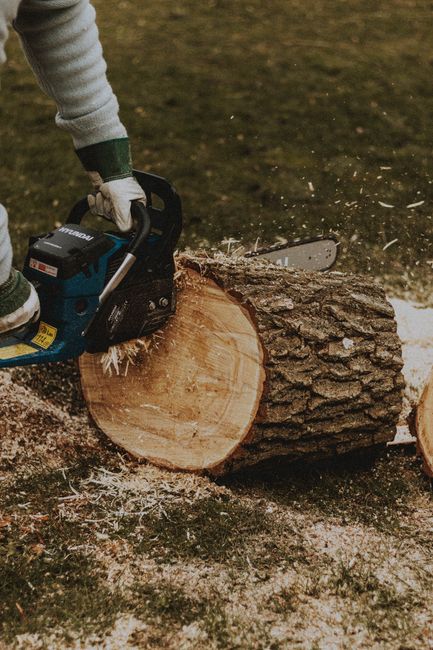
Then comes the actual removal. Depending on the tree, this may involve hand tools, chainsaws, lowering equipment, ropes, and careful section-by-section work. If the tree is large, damaged, or close to a building, the team may work more slowly than you would expect. That is normal. Slow is often safer.
After the tree is down, the site is usually cleared of major timber, branches, and debris. Some services include stump reduction or stump grinding, while others leave the stump for a later visit. Waste handling should be explained clearly in advance, because green waste removal, logs, and chippings are not always included in the same way.
If the removal is tied to wider garden recovery, you may also want to think about follow-on work such as lawn care for damaged turf, patio cleaning where mud and sawdust have spread, or decking repairs if the tree came down close to hard landscaping.
Key Benefits and Practical Advantages
The most obvious benefit is safety, but there is a bit more to it than that. Same-day removal gives you quick control over a situation that might otherwise get worse overnight. If a tree is cracked or unstable, acting quickly can reduce the chance of property damage, blocked access, or injury.
Another benefit is peace of mind. Once the dangerous tree is gone, you can actually think again. That sounds simple, but it matters. A lot of people keep glancing out the window at a leaning trunk and feeling their shoulders tighten. Removing the risk has a noticeable effect on the whole household, especially if children, pets, or older relatives use the garden frequently.
There is also a tidy-up benefit that people often underestimate. A professional team can remove not only the tree but the mess around it, which means less dragging branches to the front garden and fewer awkward trips to the tip. When the job is well managed, you are left with a safer, cleaner space rather than a bigger one-day headache.
For some properties, same-day removal can also protect nearby planting. If a dead or diseased tree is shedding branches, it may be damaging shrubs, borders, or climbers. Clearing it quickly can make it easier to rescue the rest of the garden. If you are planning a fresh design afterwards, it can be worth pairing the job with a broader conversation about structure and planting through local gardening services.
- Faster risk reduction: ideal when a tree is unstable or storm-damaged.
- Less property disruption: helps prevent ongoing damage to roofs, fences, paths, and beds.
- Cleaner handover: the best teams leave the space safer and easier to manage.
- Better planning: once the urgent tree is removed, you can decide what should replace it.
Who This Is For and When It Makes Sense
Same-day tree removal is not just for dramatic emergencies, although those do happen. It is for anyone facing a time-sensitive tree issue that could turn into a bigger problem if ignored. A snapped limb after a windy night is an obvious example, but there are other, quieter cases too.
You may need it if the tree is:
- leaning suddenly after bad weather
- splitting at the trunk
- dropping large dead branches
- blocking a driveway, entrance, or shared access route
- pressing against a fence, wall, shed, or outbuilding
- causing immediate concern for safety
It can also make sense if you are preparing a property for sale, dealing with neighbour concerns, or trying to restore order after a neglected period. Some gardens simply get overwhelmed. One overgrown tree can dominate everything else. In those cases, quick removal can be the turning point that makes the rest of the garden feel manageable again.
That said, not every tree needs to come down. Sometimes pruning, reduction, or staged tree surgery is the better answer. A reputable gardener or tree specialist should be willing to say so. If they jump straight to removal without checking the condition or discussing alternatives, that is worth a second thought. You want judgement, not just a chainsaw and a timetable.
Many homeowners also use the opportunity to rethink the wider garden layout. Once the tree is gone, a more open border, privacy planting, or low-maintenance design may suit the space better. That is where services like landscaping in Kingsbury or a broader maintenance plan can be a smart follow-up.
Step-by-Step Guidance
1. Share the problem clearly
Start with the basics: what the tree looks like, what happened, and how urgently you think it needs attention. Mention whether it is dead, split, leaning, or interfering with any structures. If you can, send a photo from a few angles. It saves time and helps the team judge access before they arrive.
2. Ask what "same day" actually includes
This is a big one. Same-day removal can mean different things depending on the team and the tree. Does it include full removal, stump dealing, or just taking the tree safely down? Will waste be removed the same day? Will heavy timber be left stacked for another collection? Ask plainly. No awkwardness needed.
3. Check access and obstacles
Before the team arrives, clear a route if possible. Move vehicles, garden furniture, bins, toys, and anything fragile. If the tree is in a back garden, make sure gates are unlocked and pathways are passable. Even a strong crew can lose time if they have to carry gear around a maze of planters and loose items.
4. Expect a safety-led inspection
The first few minutes on site should be about risk assessment. The crew may look up, down, and all around more than you expect. That is the point. They are checking for overhead hazards, unstable wood, underground obstructions, nearby fencing, and anything that could affect the method.
5. Agree the method before cutting starts
There should be a clear explanation of what will happen. Will the tree be sectioned? Lowered by rope? Felled in one direction? If the answer is technical, they should still explain it in normal language. If not, ask again. You are not being difficult; you are making sure everyone is on the same page.
6. Watch how waste is handled
Good clearance matters. Branches, trunk sections, and leaf debris should not be left scattered unless that was the agreed arrangement. If you want logs kept for firewood or woodchip reused elsewhere, say so early. Otherwise, assume removal and tidy-up should be discussed as part of the job.
7. Review what remains
After the tree is gone, check the stump, nearby surfaces, and any damage around the area. A short walkaround is sensible. If the job exposed another issue, such as rotten edging, broken fence panels, or compacted soil, you can plan the next step rather than discovering it a week later.
Expert Tips for Better Results
In our experience, the smoothest same-day jobs are the ones where the client gives honest, specific details rather than trying to keep everything brief. A tiny bit of extra context goes a long way. "The tree started leaning after last night's wind" is far better than "tree problem, please help."
Here are some practical tips that make a real difference:
- Send photos early: close-up and wide shots help the team judge size and access.
- Be honest about access: narrow gates, sloped paths, and shared driveways matter.
- Keep pets indoors: saws, ropes, and moving timber are not pet-friendly.
- Protect nearby items: cushions, pots, ornaments, and garden lights should be moved away.
- Ask about the stump: removal and stump grinding are not always included.
- Plan the aftermath: if the tree shaded a border, the new light levels may change planting choices.
A small but useful detail: if you know rain is on the way, mention that. Wet ground can affect access, traction, and how the crew protects lawns or paving. A dry spell at 9 in the morning and a soggy patch by 3 in the afternoon are two very different jobs, and nobody enjoys sliding wheelbarrows through the mud. Not ideal.
If the tree is part of a broader overgrown area, you may save time by discussing follow-up works in advance. For example, hedge reshaping through hedge trimming services or a general reset through garden maintenance can help the space recover faster and look intentional rather than half-finished.
Common Mistakes to Avoid
The biggest mistake is assuming all tree removal is the same. It is not. A small garden tree beside a clear lawn is one thing; a compromised trunk near a fence, outbuilding, or patio is another. The method, timing, and cleanup should reflect the actual site conditions.
Another common mistake is failing to ask what the quote covers. Some prices only include removal of the tree itself. Others cover branch clearing, timber haul-away, and stump options. If you want a clean finish, make sure the scope is clear before work starts. It avoids that awkward "oh, that was extra" conversation at the end of the day.
People also sometimes forget to check access. A team might be fully prepared for the tree, but if the gate is locked or the route is blocked by a delivery van, the whole process slows down. Same-day work depends on the little things more than you might think.
Then there is the "can you just cut it down quickly?" trap. Speed without judgement is where trouble starts. A good gardener or tree professional should be comfortable saying no to an unsafe shortcut. That is not a bad sign. It is probably the best sign you will get.
- Do not ignore leaning, cracked, or storm-damaged trees.
- Do not assume stump work is included automatically.
- Do not leave pets, children, or valuables in the work zone.
- Do not choose a service based only on urgency.
- Do not skip the post-job walkaround.
Tools, Resources and Recommendations
You do not need specialist equipment as the homeowner, but a few practical items help the day run better. Think of this as preparing the garden for a controlled bit of disruption. That is the real job.
| Item | Why it helps | When to use it |
|---|---|---|
| Camera phone | Captures photos of the tree, access route, and any nearby hazards | Before the booking and on arrival if needed |
| Outdoor gloves | Useful for moving light debris or clearing smaller items | Before and after the work |
| Wheelie bin or green waste container | Handy for small tidy-up leftovers | After the main removal if agreed |
| Tarpaulin | Protects nearby surfaces and helps collect loose debris | If the team asks you to prepare a small area |
| Pet lead or indoor space | Reduces risk during the removal process | Throughout the job |
One recommendation worth repeating: if the tree is near a hard surface, ask what protection will be used for paving, decking, or paths. If your garden includes a patio or timber area, services like patio cleaning or decking services may be useful later if there is staining, sawdust, or minor surface wear.
Also consider whether the removal should be followed by broader tidying. A tree coming out often exposes the shape of the whole space. That can be a good thing. A quick reset through lawn mowing or lawn care can make the garden look far less like a work site and far more like a finished space.
Law, Compliance, Standards, or Best Practice
Tree removal is not something to treat casually, especially in a built-up area. In the UK, there may be planning controls, preservation concerns, or local considerations that affect what can be removed and how. The exact position depends on the tree, its status, and the property. If there is any doubt, the safest approach is to check before work begins rather than assume permission is automatic.
Best practice also means working safely around people and property. A professional team should use sensible risk assessment, suitable protective equipment, controlled cutting methods, and clear communication. If a tree is close to a public edge, neighbouring garden, or shared boundary, careful management matters even more.
There is another practical layer here: waste handling. Green waste, timber, and stump material should be handled responsibly, with the site left in a condition that does not create a new hazard. That may sound obvious, but you would be surprised how much confusion happens when a job is booked in a hurry and nobody has discussed the end result.
If a tree sits near fencing or boundary features, it may be wise to consider the condition of those structures before and after removal. In some gardens, the tree was quietly supporting or sheltering something that now needs attention. That is where a service like fencing support can become relevant after the urgent work is complete.
Practical takeaway: urgency does not remove the need for safe practice, site awareness, or clear scope. It just makes those things more important.
Options, Methods, or Comparison Table
Not every urgent tree issue needs the same approach. Sometimes removal is the right call. Sometimes a reduction, sectional dismantle, or staged plan is better. The table below gives a simple comparison so you can understand the main options before you book.
| Method | Best for | Pros | Trade-offs |
|---|---|---|---|
| Full same-day tree removal | Unsafe, dead, or badly damaged trees | Fast risk reduction, clear site, immediate relief | May be more involved if access is tight |
| Sectional dismantling | Trees near buildings, fences, or delicate planting | Controlled, safer in restricted spaces | Takes longer and may need more equipment |
| Pruning or reduction | Healthy trees with a problem branch or excess weight | Less disruptive, preserves the tree | Not suitable for unstable or severely compromised trees |
| Stump grinding later | When the stump is not an immediate issue | Separates urgent risk from finishing work | Leaves a temporary stump in place |
There is no single "best" option for every garden. A tree overhanging a shed in Kingsbury may need a completely different approach from one standing alone on open ground. Good judgement wins here. Every time.
Case Study or Real-World Example
Here is a realistic example based on the kind of situation many homeowners face. A homeowner in Kingsbury notices that a medium-sized tree at the back of the garden has split after a windy night. The trunk is still standing, but one main limb is hanging awkwardly over the lawn and part of the boundary fence. The family has children using the garden, and the branch creaks every time the wind moves through it.
They call for same-day help in the morning. Photos are shared first, including a view from the patio, the access gate, and the fence line. The team arrives, checks the tree, and confirms that a sectional dismantle is the safest route. They move carefully because the garden is narrow and there is a shed close by. The tree is removed in controlled sections, the larger timber is taken away, and the team clears the branch debris before leaving.
By late afternoon, the garden is safe again. It is not finished in a decorative sense, because the stump remains and the grass is marked in a couple of places, but the immediate risk is gone. The homeowner then books follow-up work to repair the fence and tidy the lawn. That is often how real jobs go: one urgent task, then a sensible second step to restore the space properly.
That kind of outcome is usually better than panicking and trying to "deal with it later." Later has a habit of becoming a lot later.
Practical Checklist
Use this quick checklist before the team arrives. It keeps the day calmer and reduces avoidable delays.
- Take clear photos of the tree and surrounding area.
- Note any recent storm damage, leaning, cracking, or dropped limbs.
- Clear the access route, including gates and side paths.
- Move vehicles, bins, garden furniture, and fragile items.
- Keep pets and children away from the work zone.
- Ask what is included: removal, stump, waste, and cleanup.
- Confirm whether timber will be removed or left for you.
- Check for nearby structures, cables, fences, or decking.
- Prepare for noise, sawdust, and temporary disruption.
- Do a final walkaround after the job is complete.
If you want the garden to look settled again quickly, it can help to think a step ahead. A fresh tidy-up, selective replanting, or broader garden support can make the space feel restored rather than simply emptied.
Get a free quote today and see how much you can save.
Conclusion
Same-day tree removal is one of those services that sounds straightforward until you actually need it. Then the details matter very quickly. The best results come from a team that explains the process clearly, works safely, and leaves the space in better shape than they found it. That is what you should expect, and frankly, that is what the job deserves.
If you remember only one thing, let it be this: speed matters, but control matters more. A quick response is useful, yet a careful response is what protects your property, your garden, and your peace of mind. Once the urgent tree is gone, the rest of the garden can breathe again. And that moment, when you step outside and the view opens up a little, is often a relief you can feel in your shoulders.
From there, you can decide whether the next chapter is simple recovery or a bigger garden refresh. Either way, the hard part is over, and that is a good place to be.
Frequently Asked Questions
How fast can same-day tree removal happen in Kingsbury?
It depends on the time you call, the size of the tree, access to the garden, and how urgent the risk is. In a straightforward case, a team may assess and remove the tree on the same day. More complex jobs can still be started the same day even if full completion takes longer.
What should I tell the gardener before they arrive?
Explain what happened, where the tree is, whether it is leaning or damaged, and whether there are fences, sheds, patios, or wires nearby. Photos are very useful. A few clear details often save a lot of back-and-forth later.
Does same-day tree removal always include stump removal?
No, not always. Tree removal and stump grinding are often separate parts of the job. It is best to ask exactly what is included before booking, especially if you want the garden completely cleared for future planting or landscaping.
Is it safe to stay in the garden while the work is happening?
Usually not. It is much safer to stay clear of the work area, keep pets indoors, and follow the crew's instructions. Tree removal involves falling timber, moving equipment, and changing conditions, so the safe choice is to give the team space.
What if the tree is near my fence or decking?
That makes the job more delicate, not impossible. The team may use sectional dismantling or another controlled method to reduce risk to nearby structures. If the fence or decking is already damaged, mention that before the visit so they can plan properly.
Can a gardener remove a tree or do I need a specialist?
Many garden teams can handle smaller removals, while larger or more complex trees may need specialist tree surgery skills. The right choice depends on size, condition, and location. If the tree is risky or awkward, specialist support is usually the safer route.
Will there be a lot of mess afterwards?
There will usually be some debris during the job, but a proper service should include cleanup of branches and larger waste. Fine sawdust and minor surface marks can still happen, especially in tight gardens. That is normal, but the site should not be left messy.
What happens if the tree is diseased?
Diseased trees can sometimes be removed quickly, but the method may change depending on the condition of the wood and the surrounding area. The main aim is to avoid spreading risk or leaving unstable material behind. The crew may also advise on follow-up care for nearby plants.
Do I need permission to remove a tree?
Sometimes planning controls or tree protections may apply. The exact position depends on the tree and the property, so it is wise to check before work starts if there is any doubt. A responsible service should encourage that rather than brush it aside.
How much does same-day removal usually cost?
Costs vary a lot because no two trees are the same. Size, access, urgency, waste removal, and stump work can all affect the price. The best approach is to ask for a clear quote based on photos or a site visit, rather than relying on guesswork.
What should I do after the tree is removed?
Do a quick walkaround, check for any leftover debris or surface damage, and think about what comes next. You might need lawn repair, fence attention, or a simple tidy-up. If the removal has opened up the space, this is also a good moment to rethink the garden layout.
What if I only want the tree made safe, not fully removed?
Say that clearly when you enquire. In some cases, pruning, reduction, or staged work may be enough. A good gardener will explain whether that is realistic or whether full removal is the safer option. It is always worth asking.
How do I know if the tree is an emergency?
If the tree is leaning suddenly, split at the trunk, dropping heavy limbs, or threatening a structure, treat it seriously. If you are unsure, it is better to request advice quickly than to wait and hope it settles down. Trees rarely calm themselves, sadly.